The young, South Dakota farm boy raced across the prairie to catch a long fly ball. But he tripped, as boys do, landing hands first in a prickly pear cactus. That time he ended up with more than a hundred tiny thorns shed by the cactus into his palms and forearms. Most were carefully tweezered out, but those remaining sharply reminded him of their presence every time he picked up the baseball or his bat for the next several days!
Have you ever had an actual, physical thorn in the flesh? How about a spiritual thorn?
Paul
One of God’s early church leaders had such a thorn. Listen to the apostle Paul tell his story.
“And lest I should be exalted above measure by the abundance of the revelations, a thorn in the flesh was given to me, a messenger of Satan to buffet me, lest I be exalted above measure” (2 Cor. 12:7).
What was Paul’s thorn? Did he get it at birth, childhood or perhaps as an adult? The fact that it was “given” to him indicates that Jesus Christ personally gave or allowed Paul to receive this very, pointedly trying “gift.”
Early Paul
Remember, Paul started out as a Pharisee, a sect of the Jews that chose to be an enemy of God’s truth. Paul epitomized the sect as a “fire-breathing persecutor of the Christ’s brethren. He infamously presided over the trial and execution of Stephen, one of Christ’s original deacons in Jerusalem (see Acts 6:8-15, and chapter 7).
Paul further organized a sort of secret police among the Jews to seek out, arrest, try and then beat or imprison numbers of true Church brethren—men and women—in and around Jerusalem (see Acts 8:1-3).
The road to Damascus
Not satisfied with that, Paul obtained letters of extradition and pursued church members on the road to Damascus in Syria. There he planned to personally lead an arresting posse to capture and take them back to Jerusalem for harsh punishment. And for why? They were punished for their “heresy” of repenting and believing what the Bible taught about the true Messiah, Jesus of Nazareth and subsequently spreading the gospel of the Kingdom of God.
Suddenly, like a bolt out of the blue, Jesus Christ struck Paul blind on the road to Damascus and calling Paul by his Jewish name, “Saul, Saul, why are you persecuting Me?” (Acts 9:3-8). This dramatic event motivated Paul’s repentance and conversion, leading ultimately to his service as an apostle in the ministry.
Time for the thorn in the flesh
Much later as one of God’s great apostles, Paul reflected on a thorn in the flesh gifted him by Christ. It was a thorn from which he sought relief… “Concerning this thing I pleaded with the Lord three times that it might depart from me. 9 And He said to me, ‘My grace is sufficient for you, for My strength is made perfect in weakness.’ Therefore most gladly I will rather boast in my infirmities, that the power of Christ may rest upon me.” (2 Cor. 12:8-9)
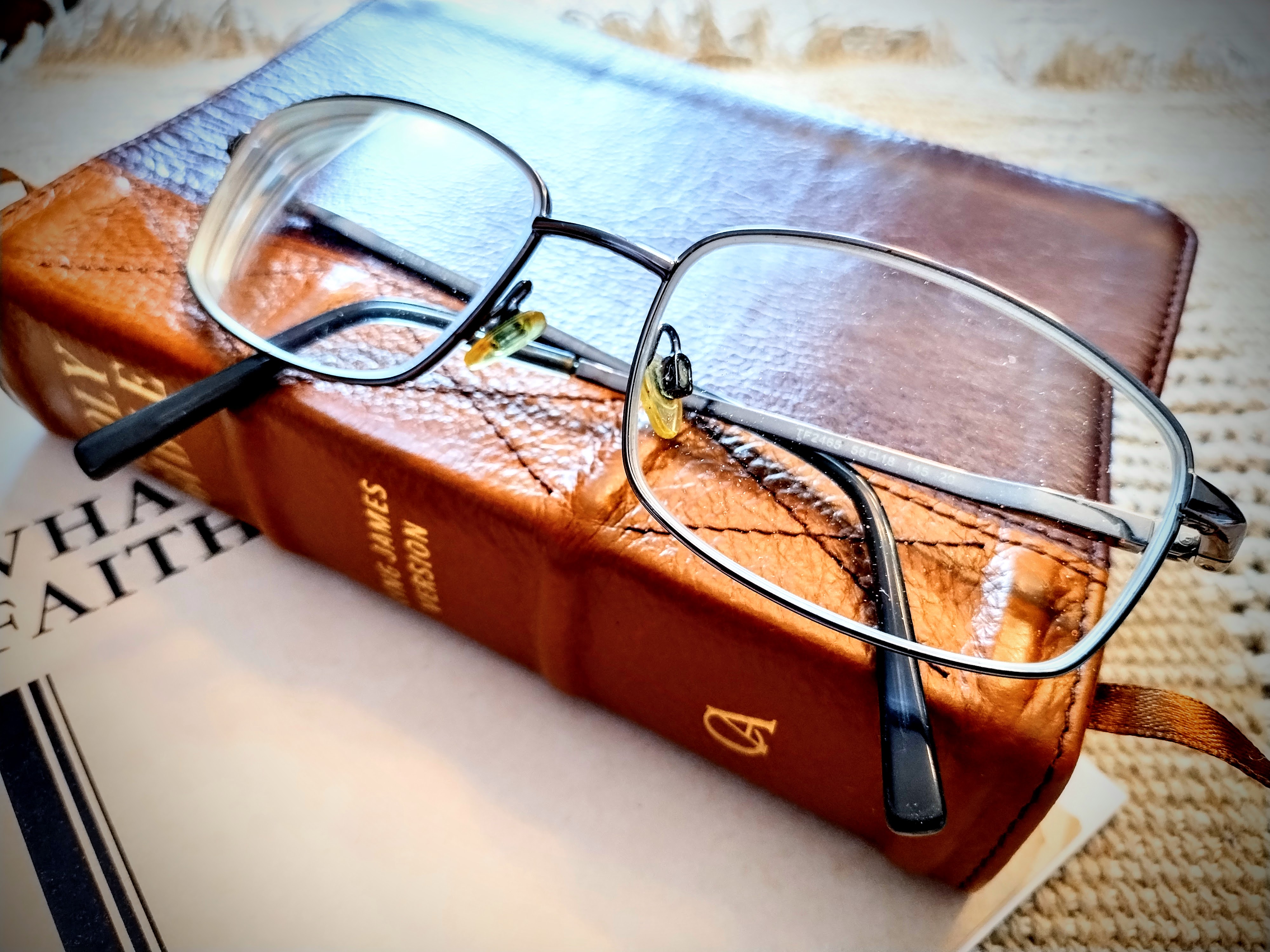
Although we can’t precisely pin down Paul’s poor eyesight as his “thorn in the flesh,” but a true scholar like him needed to read books and people. Before the age of corrective lenses bad vision could be seriously humbling. At the merciful hands of Christ on the road to Damascus, Paul the Pharisee learned a massive lesson of true humility to help him become Paul the Apostle.
“Therefore I take pleasure in infirmities, in reproaches, in needs, in persecutions, in distresses, for Christ’s sake. For when I am weak, then I am strong” (2 Cor. 12:10).
As we approach the Passover and Days of Unleavened Bread, ask God to show you how to use your thorn in the flesh for growth and overcoming. Learn from Paul’s lesson and you, too, can become stronger!
Originally written: January 2, 2021
*If you wish to reprint this commentary or learn more about how to do so, please contact me in the comments below. I reserve my rights to this content, it is not in the public domain for use or reprint without my permission.
**All images are property of Amanda Stiver, unless otherwise noted. Please do not re-use without permission.
 The ArrowHead Journal