Never underestimate the power of God’s annual spring festival of Passover and the seven Days of Unleavened Bread!
However, have you thought about the fact that our spring holydays occur during the autumn south of the equator? And by “they,” I mean Jesus Christ’s true brethren who live “down under” in Australia, New Zealand, parts of southern Asia, southern Africa, and most of South America.
Stretch your mind a bit as we reflect on their experience of the “spring” holydays. It’s good to visualize how our southerly brethren live, work… and of course keep God’s holydays and the Sabbath. This helps us to pray for them more effectively when we read the news and events that are occurring in their part of the world.
Most importantly, they have developed the skill of transposing the spiritual lessons of the Days of Unleavened Bread from springtime in the northern hemisphere to their southerly locations during autumn.
Do we carry with us a clear understanding of the annual holydays and their personal and prophetic meaning? Let’s review all seven commanded assemblies as we are about to progress through the whole cycle again this year, starting with Passover and the Days of Unleavened Bread.
To each Holyday its meaning
God the Father and Jesus Christ established the annual, divine holydays. The meaning of each of God’s annual festivals is critical to our understanding and faithfulness as true Christians in a terribly unfaithful world. God’s annual holydays portray fascinating and vital lessons as we worship the true God of the Holy Scripture.
As mentioned above, the Biblical events took place and were recorded from the perspective of the land of Israel, which is in the northern hemisphere. And it is to that land, and specifically the city of Jerusalem that Christ will return, which is why our southern hemisphere brethren keep the holydays on the same schedule as we do, even though the seasons are reversed.
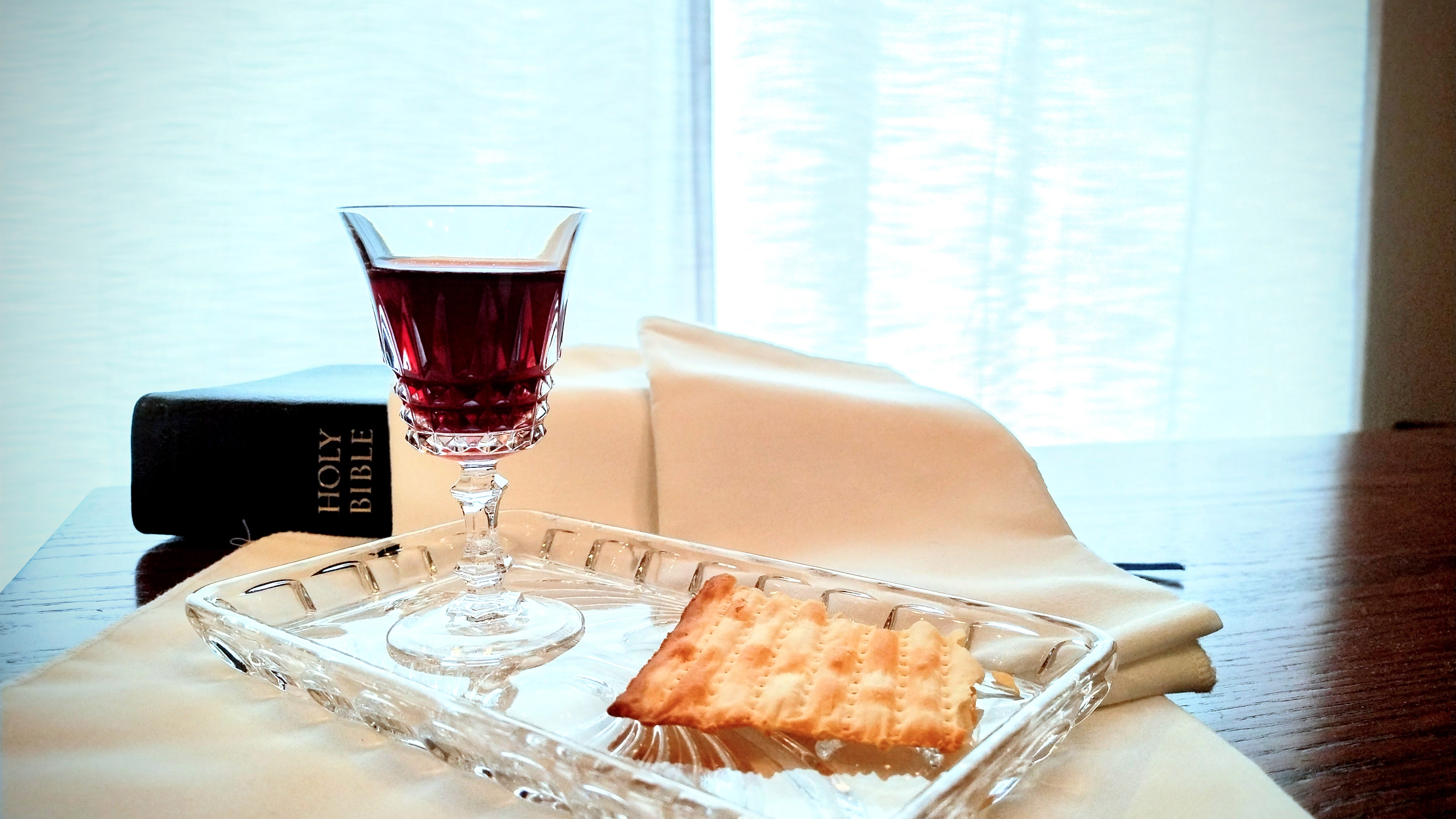
Passover – Our Savior Jesus Christ gave His life to pay the penalty of our sins (and the sins of all who will repent when God calls them to the knowledge of the truth). Thus we observe Passover each spring. It’s meaning is that we fully dedicate our lives to genuine repentance and to faithfully follow Christ, the Head of the true Church of God.
The Night to Be Much Remembered – The evening, at sunset, on which the first Day of Unleavened Bread begins is a special night (not to be confused with the Passover) in which we share a meal with God’s people and reflect on the solemn meaning of Israel being released by God from captivity in Egypt. Though not an annual Sabbath service, this night pictures the beginning of our own process of coming out of our personal ‘Egypt’ of slavery to sin.
Days of Unleavened Bread – Immediately following the Passover, this seven-day festival illustrates critical lessons about overcoming sin by putting it out of our lives. During this festival sin is symbolized by the leavening we typically use to leaven our bread during the rest of the year. Even as leavening puffs bread up—so vanity and all other kinds of sin puff up our egos—which fosters sinful arrogance in our minds. Even as Christ gave His life for our sins, so we must humbly dedicate our lives in Him to overcome sin and the sinful pulls of this present, evil world.
Day of Pentecost – This annual Sabbath anticipates the ultimate outpouring of God’s Holy Spirit on all who truly repent of their sins. Since it’s only possible to fully overcome sin through the power of God’s Spirit we must repent, and then be baptized by one of Christ’s true ministers in order to receive God’s Spirit via the “laying on of hands” ceremony. Through the power of God’s Holy Spirit we can then grow in grace and knowledge of God and His way. That overcoming process leads ultimately to our resurrection and eternal life in the Kingdom of God.
The annual holydays of autumn
Jesus Christ and God, the Father designed and established the annual Sabbaths to rehearse the divine plan of salvation for all mankind from Adam to the last baby born! In that sense, the physical creation anticipates God’s divine plan of salvation. These last four holydays that take place in the autumn foreshadow many things to come that are recorded in the prophetic portions of the Bible.
The Feast of Trumpets – This day comes in the early autumn and pictures the second coming of Jesus Christ. At His first coming Christ came to be our Savior – the sacrifice for our sins which He fulfilled by dying in our place. Remember, “the wages of sin is death” (Romans 6:23).
At His second coming the great Messiah returns to establish the Kingdom of God on earth. The true saints (those who are Christ’s at His coming) will then be resurrected to eternal life. Christ is King of Kings and Lord of Lords—the destiny of the fully repentant of humanity is to live forever serving faithfully under Christ and the Father. The dynamic presence of our great Savior in the world tomorrow will change every sinful aspect of human culture.
Day of Atonement – This annual holyday of fasting is kept in anticipation of God’s eternal judgment on Satan the Devil and his fallen demonic angels. This sobering day reminds us of the deadly seriousness of the Devil in his actions against us. A reflective day of fasting, but a glorious day of spiritual victory!
Feast of Tabernacles – With this holy festival we commemorate with great joy the literal era to come when all people living will be called to spiritual repentance—and when Christ will rule the nations directly. He will rule over all the nations on earth for the Millennium (1000 years). It will be the day of salvation for all who live then.
And finally,…
The Last Great Day – Picturing the time when all who have lived, but never knew or understood God’s truth are called to true spiritual salvation in Christ. They will come up in the “second resurrection” to live another lifetime in which to understand God’s way without the confusion of Satan’s deception. To be clear, this will be their first time, by God’s reckoning, to comprehend true salvation, and to choose life. Not a second chance.
Whether we and our brethren live in the north, south, east or west, through our great Savior Jesus Christ we thank God and savor His wonderful plan of salvation for all who will choose it and live it! Keep this in mind as we commemorate the Passover, the holyday that makes all the others possible!
*If you wish to reprint this commentary or learn more about how to do so, please contact me in the comments below. I reserve my rights to this content, it is not in the public domain for use or reprint without my permission.
**All images are property of Amanda Stiver, unless otherwise noted. Please do not re-use without permission.
 The ArrowHead Journal